
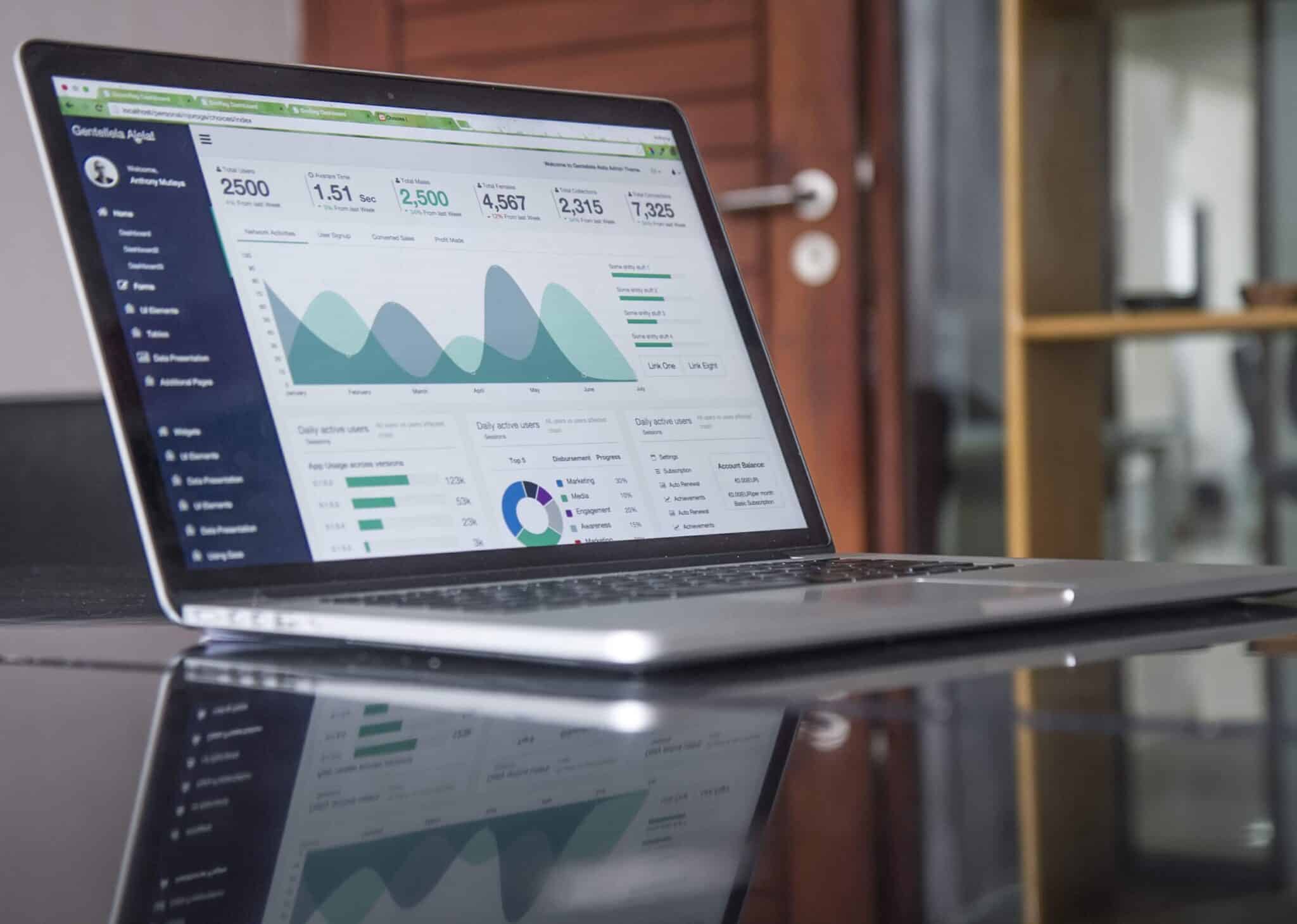
Spend more on digital ads? Cut back on SEO? Do another webinar? Add a tradeshow in Q3?
Any of these tactics could be a good decision. Unfortunately, any of them could also be a bad one. The only way to know for sure is to use data, and the only way to do that is to have the right data in hand.
One of the best tools to get there?
A Marketing KPI Tracker & Results Dashboard.
If you’re like many mid-market companies, you may be starting with little to no marketing data. That’s normal. It can feel daunting, but the key is to simply start. Your first dashboard won’t be perfect. As you collect more data and learn, you’ll refine it into a powerful decision-making tool.
How to Build Your Dashboard
- Identify your data sources.
What do you already have access to? Website analytics, social media platforms, email marketing software, and your CRM are good places to start. - Start pulling the Key Performance Indicator (KPI) data together.
At first, this may be a manual process. We use a simple excel template. - Automate when ready.
When the time is right, begin setting up automated data tracking and reporting tools. Implement tracking codes, tags, or scripts to collect data from various sources and ensure data accuracy and consistency. - Draft your Results Dashboard.
Decide on the format and structure of your marketing reports. Consider the audience you need to present the reports to and tailor the presentation accordingly. You can start with excel charts and graphs or use one of the many online platforms that provide dashboards. - Set your reporting frequency.
Monthly is a great starting point. Pick a frequency that’s realistic and makes sense based on your marketing activities. Monthly is a good place to start. - Analyze and interpret.
Look for trends, patterns, and correlations that can provide insights into the effectiveness of your marketing efforts.
Five Things to Consider When Measuring Marketing Impact
You’ll likely begin with a tactical approach to reporting and data analytics, like channel performance, clicks, and impressions. Once the foundation is set, shift to a holistic view of measuring the impact of your marketing system.
- Start with a funnel view: Build Awareness → Increase Interest → Gain Commitment → Build Relationships.
- Know your goals: Overall and for each funnel stage.
- Build strategies and tactics aligned to those goals.
- Measure the right KPIs at each stage, including both sales and marketing KPIs.
- Review over time and adjust tactics as needed.
Helpful Resources
Watch: KPI Tracker & Results Dashboard Overview
Read: KPI Tracker & Results Dashboard Overview
If this was helpful, check out our other posts:
- Easiest Marketing Win #1: Be Very Clear on Who You Want to Serve
- Easiest Marketing Win #2: Conduct a Source of Business Analysis BEFORE Creating Your Marketing Plan
- Easiest Marketing Win #3: Stay in Touch with Current Customers
- Easiest Marketing Win #4: ONLY Share Relevant, Helpful, and Interesting Content
- Marketing Pitfall #1: Not Being Clear on Business Goals
- Marketing Pitfall #2: Not Having a Clear Brand Strategy
- Marketing Pitfall #3: Not Tracking Metrics or Tracking the Wrong Ones
- Marketing Pitfall #4: Doing a little bit of everything and expecting it to work
- Marketing Pitfall #5: Expecting A Lot with Little Support